The Middle East Energy Shock: What It Reveals About Global Energy Risk and Resilience
The ongoing crisis in the Middle East is, first and foremost, a humanitarian and geopolitical tragedy. Lives have been lost. Families have been displaced. Communities across the region are bearing costs that no analysis — economic or strategic — can fully account for. Our thoughts are with every civilian affected by this conflict, and we will not allow the weight of that human reality to be obscured by any discussion of markets or policy.
The situation remains fluid, and reported figures and impacts are subject to change as events evolve.
It is in that spirit — not of opportunism, but of responsibility — that we address what this crisis is also exposing: structural vulnerabilities in the global energy system that have long been understood but insufficiently addressed. The scale and speed of disruption now visible in oil, gas, and shipping markets are forcing governments and businesses alike to confront a difficult reality: energy systems designed for efficiency are often fragile under stress.
What the Disruption Reveals
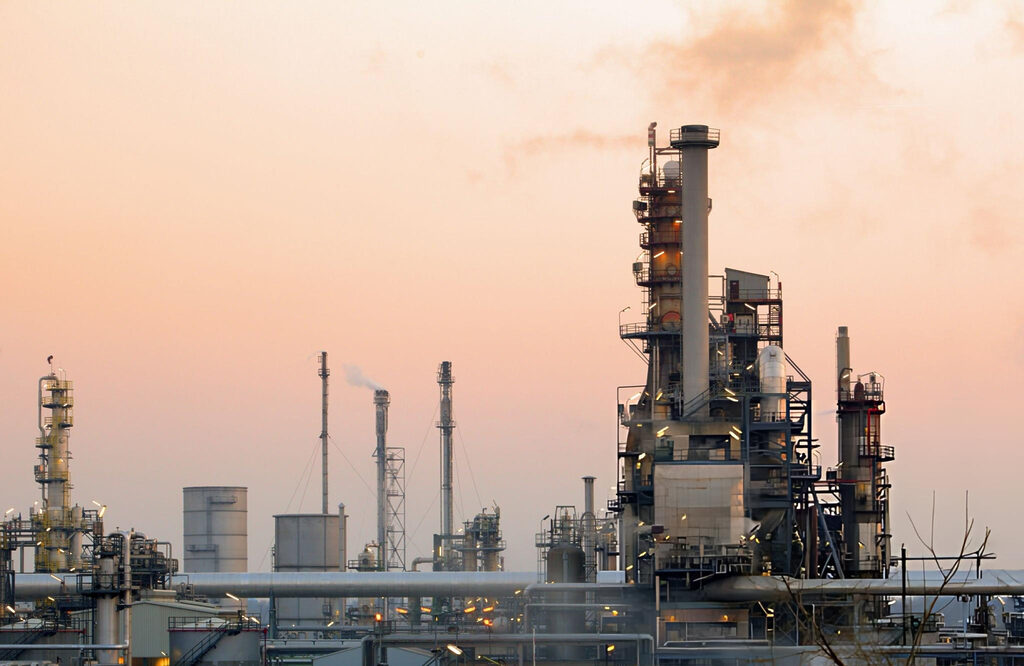
The Strait of Hormuz is 33 kilometres wide at its narrowest point. Up to approximately 20 million barrels of oil per day — roughly one-fifth of the world’s total supply — flows through the Strait of Hormuz and is now disrupted or at risk, with only limited alternative pipeline capacity available. The Strait also accounts for roughly one-fifth of global LNG trade. Qatar alone, responsible for nearly a fifth of global LNG, declared force majeure on its gas exports after Iranian drone strikes targeted its facilities.
“The war in the Middle East is creating the largest supply disruption in the history of the global oil market.”
International Energy Agency, March 2026
Brent crude — which sat around $65 per barrel in mid-2025 — has surged to $110 per barrel, with analysts warning it could breach the $120 threshold if disruptions persist. Market pricing now reflects a significant geopolitical risk premium, with volatility driven as much by uncertainty as by physical supply disruption.
Saudi Arabia, the UAE, Kuwait, and Iraq — the Gulf’s largest oil exporters — have had to respond to severely constrained export routes, rerouting flows, drawing on storage, and adjusting production in response to logistical bottlenecks. Energy infrastructure across multiple countries has been damaged or disrupted, affecting refining, storage, and export capacity. The IEA notes that even when the Strait reopens, recovery of full production levels may take weeks or months.
⚠ The Macro Signal
According to the IMF, every 10% rise in oil prices corresponds with an increase of approximately 0.4 percentage points in global inflation and a 0.15 percentage point reduction in economic growth. Energy price volatility has increased sharply, creating cost uncertainty for energy-intensive industries worldwide — from manufacturing in Asia to agriculture across the Global South.
In practical terms, this is already visible. Shipping delays, price volatility, and procurement uncertainty are no longer abstract risks — they are affecting day-to-day operations for businesses across and beyond the GCC. For many organisations, the shift is not theoretical. It is showing up directly in budgets, timelines, and supply chain decisions.
A Vulnerability That Pre-dates the Crisis
Let us be honest: this crisis did not create the world’s energy vulnerability. It exposed it.
The GCC region, despite sitting atop some of the world’s largest hydrocarbon reserves, has long imported refined petroleum products, relied on heavily subsidised electricity grids powered by fossil fuels, and delayed the diversification of its own energy mix. Businesses across the region — from logistics to manufacturing to real estate — have operated with an implicit assumption that cheap, available energy was a permanent condition of doing business in the Gulf.
That assumption is now being forcibly corrected.
“Ironically, the same conflict that raises oil prices in the short term may accelerate the long-term transition away from fossil fuels.”
New Lines Institute for Strategy and Policy, March 2026
The vulnerability is not just economic. It is regulatory, reputational, and strategic. Sustainability-related disclosure expectations and regulatory pressures are tightening across GCC markets. The EU’s Carbon Border Adjustment Mechanism (CBAM) is creating direct cost consequences for carbon-intensive exports. Institutional investors are increasingly screened against ESG benchmarks. And now, a live geopolitical crisis has made the operational cost of energy dependence visible in ways that boardroom risk registers had not fully captured.
Resilience as Infrastructure: What Sustainable Practice Actually Delivers
In the context of the current crisis, energy efficiency, diversification, and carbon visibility are no longer long-term goals — they are near-term risk management tools. Let us be precise about what that means in practice.
Energy Efficiency — The Fastest Return in the Room
Reducing energy intensity — the amount of energy consumed per unit of output — is the single most immediately actionable lever available to any organisation. Energy audits, building management system optimisation, industrial process efficiency, and demand-side management programmes do not require new infrastructure. They can be designed, modelled, and implemented in weeks. In a market where energy price volatility has increased sharply, the financial case for reducing energy intensity has strengthened considerably.
Renewable Energy Transition — Structural Price Immunity
The GCC benefits from some of the highest solar irradiance levels globally, making renewable energy deployment economically attractive in many contexts. Organisations that have invested in rooftop solar, utility-scale renewables, or Power Purchase Agreements are finding today that they carry structurally lower operational exposure to fossil fuel price shocks. The geopolitical case for renewable investment — energy sovereignty — has now merged with the economic and operational case.
Carbon Intelligence — Knowing Your Exposure
Organisations that do not have a quantified Scope 1, 2, and 3 emissions inventory cannot know how exposed they are to carbon pricing, CBAM, or supply chain decarbonisation demands from their customers. Carbon accounting is not compliance theatre — it is the foundation of strategic energy and cost management. You cannot reduce what you have not measured.
ESG Strategy and Reporting — Accessing Capital and Markets
As disclosure expectations and regulatory pressures tighten across GCC markets, organisations with established ESG measurement and reporting practices will be better positioned to access green finance, meet investor requirements, and respond to supply chain demands from multinational clients.
What This Means for Decision-Makers
For business leaders, the implications are immediate and practical. Energy cost exposure is now a strategic risk, not just an operational variable. Supply chain resilience depends increasingly on energy security. Regulatory expectations on emissions and disclosures continue to tighten. And investors are placing greater emphasis on resilience, not just sustainability narratives.
In this context, energy efficiency, diversification, and carbon visibility are not long-term aspirations — they are near-term risk management priorities. The organisations best positioned to navigate the current environment are those that have already begun building these capabilities.
What This Does Not Mean
It is important to avoid oversimplification. This crisis does not eliminate fossil fuels from the energy mix in the near term. Renewable deployment alone cannot resolve short-term supply shocks. Energy transitions remain complex, capital-intensive, and uneven across regions and sectors.
However, the direction of travel — toward more resilient, diversified, and lower-carbon systems — is becoming harder to ignore, and the case for beginning that transition is stronger now than it was a month ago.
How CCR.earth Helps You Navigate This Moment
CCR.earth works across Carbon Intelligence, ESG Intelligence, Environmental Intelligence, and AI-enabled technology platforms — supporting organisations as they build the strategic clarity and operational capability needed to navigate an increasingly complex energy and regulatory environment.
Carbon Intelligence
Full Scope 1, 2, and 3 emissions baselining, Science Based Targets advisory, carbon credit strategy, and decarbonisation roadmaps aligned to GCC regulatory frameworks and international standards.

ESG Intelligence
Materiality assessments, ESG strategy development, mandatory disclosure readiness (IFRS S1/S2, GRI, CDP), and ESG performance benchmarking for GCC and global markets.

Environmental Intelligence
Energy audits, renewable energy feasibility, energy efficiency programmes, and environmental impact assessments — turning sustainability strategy into measurable operational outcomes.

AI-Enabled Platforms
Proprietary technology to automate data collection, emissions tracking, ESG reporting, and scenario modelling — putting real-time intelligence at the fingertips of your leadership team.
Our Approach
We do not offer generic sustainability frameworks. We build bespoke, implementation-ready strategies grounded in GCC market realities, sector-specific regulatory requirements, and the operational priorities of each client — with outcomes that are measurable: reduced energy cost exposure, improved ESG positioning, and stronger foundations for long-term resilience.
The Case for Acting Now
A common temptation in a crisis is to wait: wait for clarity, wait for prices to stabilise, wait for the geopolitical picture to resolve. We counsel strongly against this instinct in the current environment. Here is why.
The structural forces driving the energy transition — climate regulation, evolving disclosure expectations, carbon border measures, investor scrutiny — were already building before this conflict began. The crisis has not changed the direction of travel; it has made the destination more urgent.
“Every additional week of disruption makes recovery harder and more expensive.”
World Economic Forum, March 2026
The current crisis is a reminder that energy systems, markets, and policies are deeply interconnected. For organisations, the challenge is not simply adapting to today’s disruption, but building systems that can withstand future shocks — whether geopolitical, economic, or environmental.
The question is no longer whether resilience matters, but how quickly it can be embedded into decision-making. We continue to work with organisations navigating these challenges — and we remain available to those beginning that process.